

The Allure of Authority: Understanding the Psychology Behind Police Roleplay
The psychology behind police roleplay is deeply intertwined with the concepts of authority, power dynamics, and societal perceptions. Authority figures, particularly those in law enforcement, often evoke a sense of security and order, making them a compelling presence in fantasy scenarios. For many individuals, engaging in police roleplay allows for the exploration of power dynamics that deviate from everyday experiences. This dynamic can be thrilling, offering an outlet to navigate the complexities of control and submission in a safe environment.
The appeal of authority figures can be partly explained by psychological theories surrounding fantasy fulfillment. Individuals often engage in roleplay as a form of escapism, where one can temporarily inhabit a persona that embodies strength and control. The thrill associated with such roles lies in the juxtaposition between the ordinariness of daily life and the extraordinary nature of authority fantasy. Engaging with these scenarios through police roleplay offers a lens into an idealized depiction of law and order, appealing to the human desire for safety and structure.
Moreover, societal perceptions of law enforcement play a crucial role in shaping these fantasies. Police are often viewed as protectors, and this societal lens reinforces the allure of authority. Individuals may find themselves drawn to the aesthetics of authority – the uniform, the badge, the structured environment – which all amplify the sensory experiences during roleplay. This sensory stimulation bridges the gap between reality and sensual imagination, allowing participants to engage in scenarios that might be impossible or taboo in daily life. Thus, police roleplay serves as a unique intersection of psychological intrigue and societal dynamics, challenging participants to confront their own relationships with authority and power. In conclusion, the psychological allure of police roleplay encapsulates a rich tapestry of human emotion, fantasy, and societal influence, rendering it an engaging topic worthy of exploration.
Structure and Confidence: The Role of Uniforms in Roleplay Scenarios
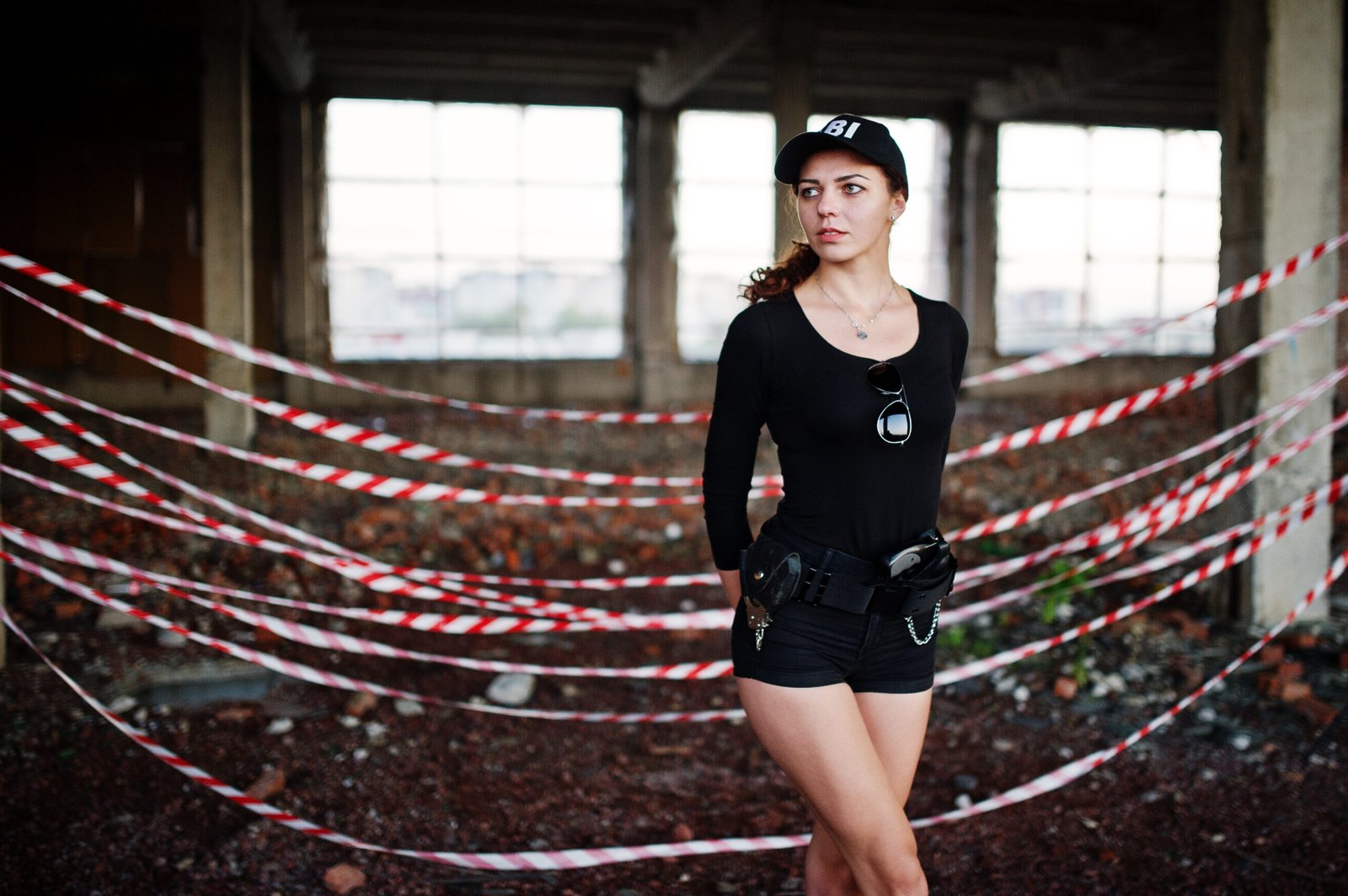
The significance of uniforms in roleplay scenarios cannot be overstated, particularly within the context of police roleplay. These uniforms serve as powerful symbols that embody structure, discipline, and authority, effectively immersing participants in a distinct fantasy world. In police roleplay, donning a uniform instantly transforms the dynamics of interaction, creating an environment where individuals can explore complex themes such as control, power dynamics, and authority fantasy.
Wearing a uniform inherently alters an individual’s behavior and self-perception. It instills a sense of confidence that may not otherwise be accessible. In roleplay scenarios, participants often find themselves adopting the characteristics associated with the role they play, which in the case of police officers, includes assertiveness, courage, and decisiveness. This transformative effect not only enhances the immersive experience but also allows participants to navigate their sensual imagination in ways that might be difficult outside of a roleplay setting.
The presence of uniforms creates a structured atmosphere that can lead to more engaging and meaningful interactions. This structure facilitates the exploration of authority and submission, providing a safe space for individuals to experiment with power dynamics. As participants engage in police roleplay, the uniform acts as a visual cue, reinforcing the scenario’s themes and encouraging deeper emotional investment.
Moreover, the confidence instilled by wearing a uniform can lead to more expansive self-exploration. Participants may discover new facets of their personalities, shedding inhibitions and embracing their desires in a supportive environment. This interplay between uniform, behavior, and self-perception underscores the importance of attire in the realm of roleplay, as it profoundly influences the overall experience.
Navigating Fantasy: The Line Between Healthy Imagination and Real-Life Implications
The realm of police roleplay often captivates the imagination, as it engages deeply with themes of authority fantasy and power dynamics. However, it is essential to recognize the distinction between the fantasy world and real-life implications of such roleplay. Engaging in scenarios that place individuals in subservient or dominant roles can evoke a wide range of emotions and reactions; hence, navigating these fantasies requires a careful approach.
The thrill of assuming the role of an authority figure can be enticing, but it is crucial to prioritize consent and open communication among all participants involved in the act of roleplay. Establishing clear boundaries through dialogue ensures that every participant feels comfortable and respected. This is especially important in scenarios that involve authority dynamics, as not everyone may engage with these themes in the same manner. By mutually agreeing on limits, individuals can explore their sensual imagination without crossing into areas that might induce discomfort or confusion regarding actual authority.
On the other hand, police roleplay can serve as a catalyst for personal exploration and creativity. It allows individuals to experiment with various identities and scenarios, leading to a better understanding of their fantasies and desires. When approached mindfully, such roleplay can empower individuals to express their thoughts and feelings in a safe environment. This self-exploration can contribute positively to personal relationships, as it fosters a deeper connection between partners and promotes understanding of their needs.
As we delve into the complexities of roleplay centered around authority figures, it is evident that a balance must be struck. By recognizing the boundary between fantasy and reality, individuals can appreciate the nuances of their fantasies while ensuring that they engage in roleplay in a thoughtful and consensual manner. Ultimately, this mindful engagement can lead to enriching experiences within the landscape of police roleplay.
Case Studies: Rise of Police Roleplay in Popular Culture and Social Narratives
The portrayal of police in popular culture has evolved considerably, and this transformation significantly contributes to the rise of police roleplay as a contemporary form of expression and entertainment. Movies, television shows, and video games often present law enforcement as symbols of authority and power dynamics, captivating audiences with their narratives. This portrayal not only entertains but also influences collective imaginations regarding authority and societal structures.
For instance, numerous crime dramas have garnered attention by depicting law enforcement in a complex light. Series like “Brooklyn Nine-Nine” and “The Shield” showcase the multifaceted lives of police officers, allowing audiences to engage in a spectrum of responses ranging from admiration to critique. These narratives can also serve as catalysts for roleplay, where individuals immerse themselves in the identities of characters that navigate moral quandaries within the framework of the uniform. This dynamic serves to enhance the sensual imagination surrounding authority fantasy, enabling participants to explore themes of power and control within safe boundaries.
Moreover, roleplay communities, both online and offline, have emerged as spaces where individuals can enact their fantasies of power and authority. Platforms such as forums and immersive gaming environments facilitate shared experiences that further solidify the appeal of police roleplay. Participants frequently engage in collaborative storytelling, enhancing their understanding of authority through interactive narratives that reflect their lived experiences and societal structures. This engagement with police roleplay suggests a communal exploration of empowerment, where individuals can negotiate the implications of authority in a controlled context.
The intersection of media portrayals and personal narratives ultimately shapes individual and collective understandings of authority. As popular culture continues to depict law enforcement in diverse ways, the impact of these narratives on police roleplay practices cannot be overstated. Through engagement with these themes, participants can explore the complexities surrounding authority, further fueling the fascination with power dynamics and the uniform.
